Gordano School Year 9 Students Bring History to Life on Moving Battlefields Tour
50 Year 9 students from Gordano School have travelled to the historic battlefields of northern France and Belgium for a memorable and thought-provoking four-day educational visit.
The trip provided students with a powerful opportunity to deepen their understanding of the First World War beyond the classroom, visiting some of the most significant sites connected to the conflict and reflecting on the human stories behind them.
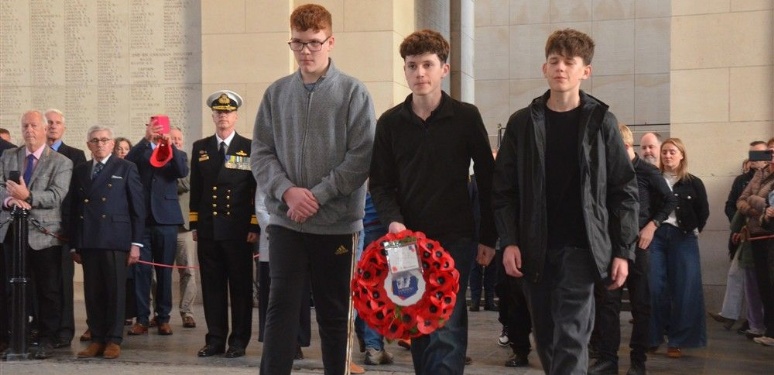
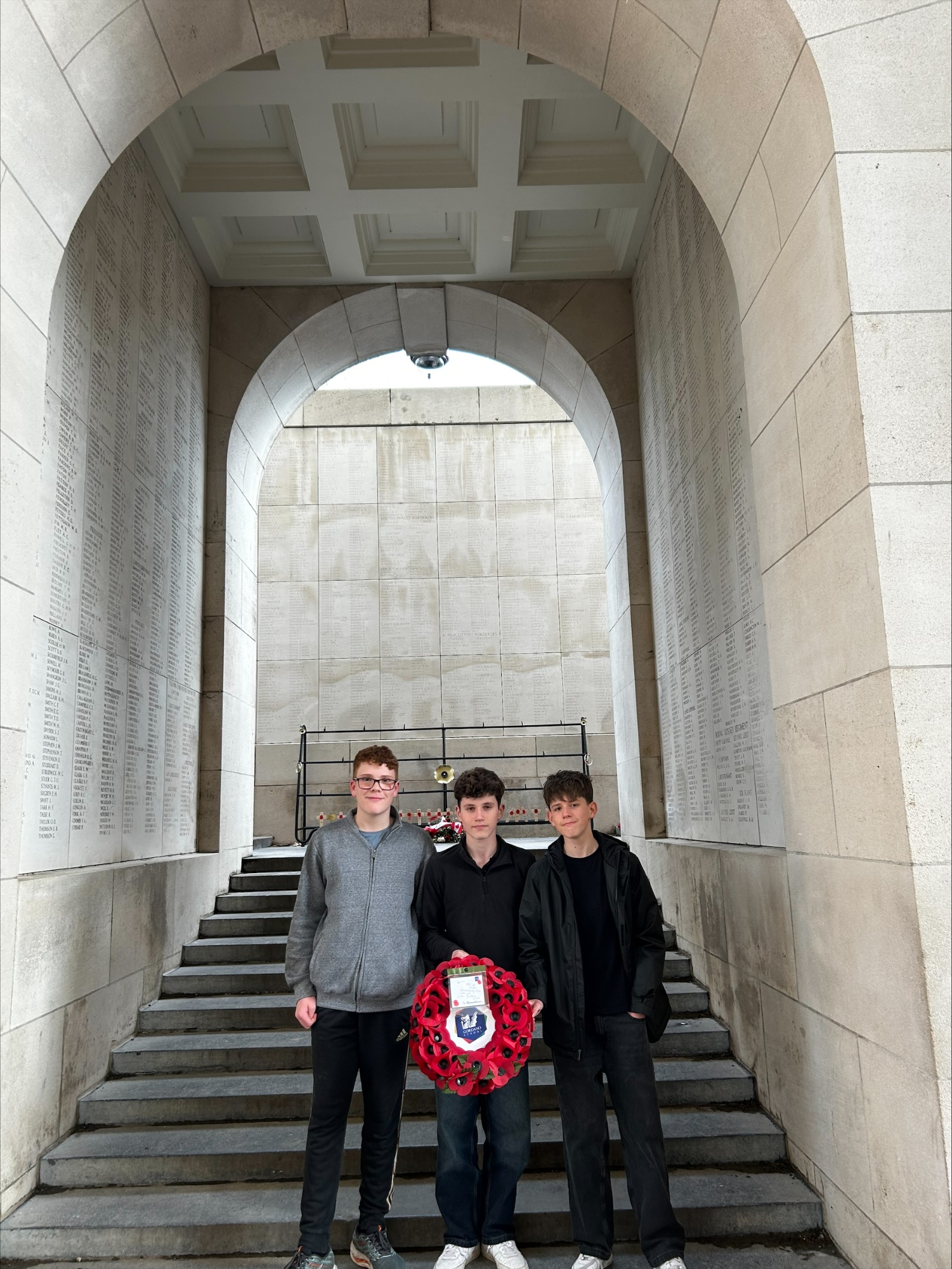
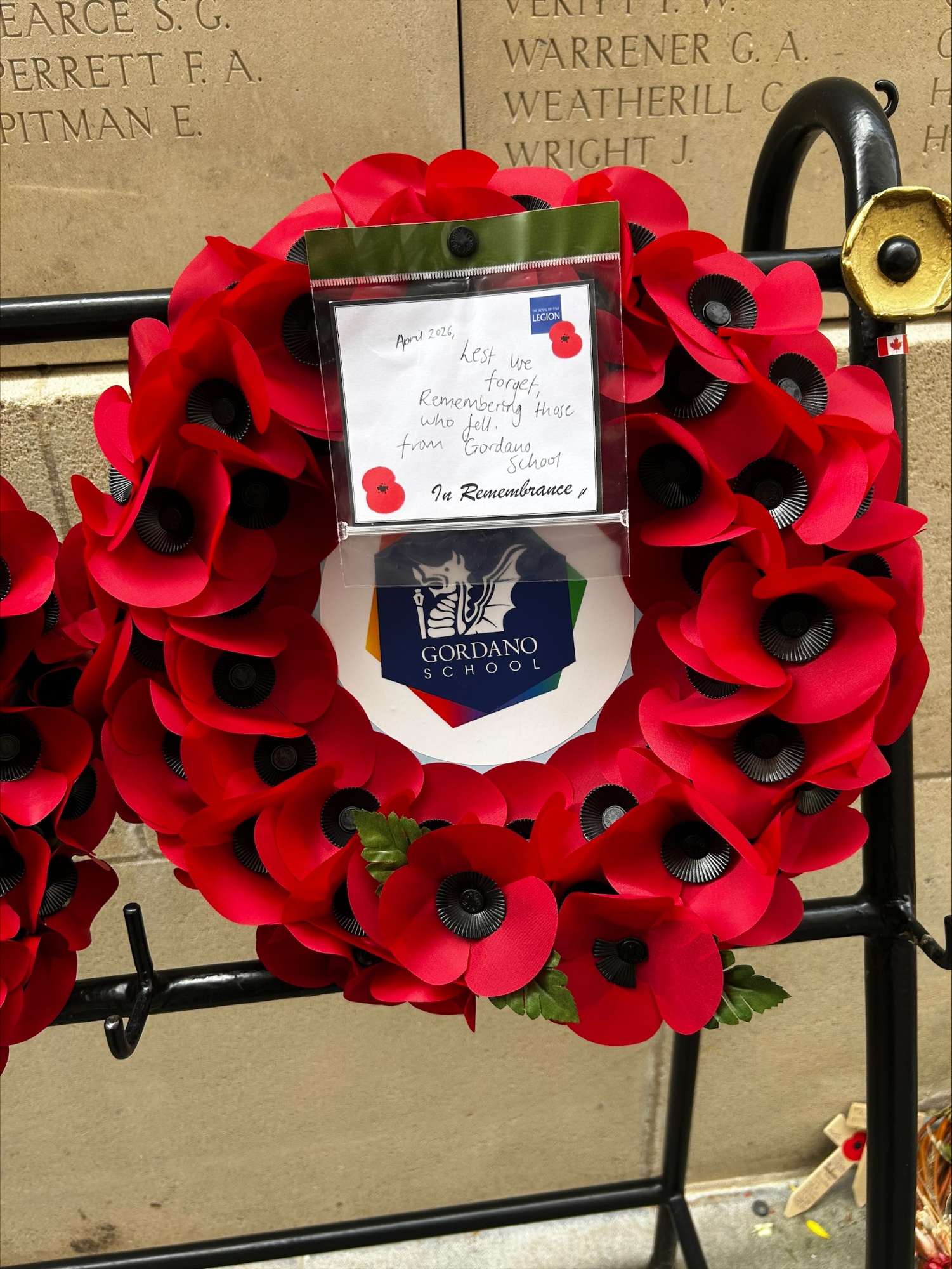
The journey began with travel to Belgium, where the group stayed in Ypres, a town closely associated with the events of the First World War. After settling in, students explored the local area before attending the moving Last Post Ceremony at the Menin Gate. Three Gordano students had the honour of laying a wreath on behalf of the school.
The second day focused on the realities of trench warfare. Students visited Hill 60, where evidence of wartime mining operations can still be seen today, before continuing to the Passchendaele Memorial Museum 1917. Interactive exhibits and reconstructed trenches gave students a vivid insight into life on the Western Front. Visits to Tyne Cot Cemetery and Langemark German Cemetery also offered time for reflection on the immense loss suffered by all nations involved.
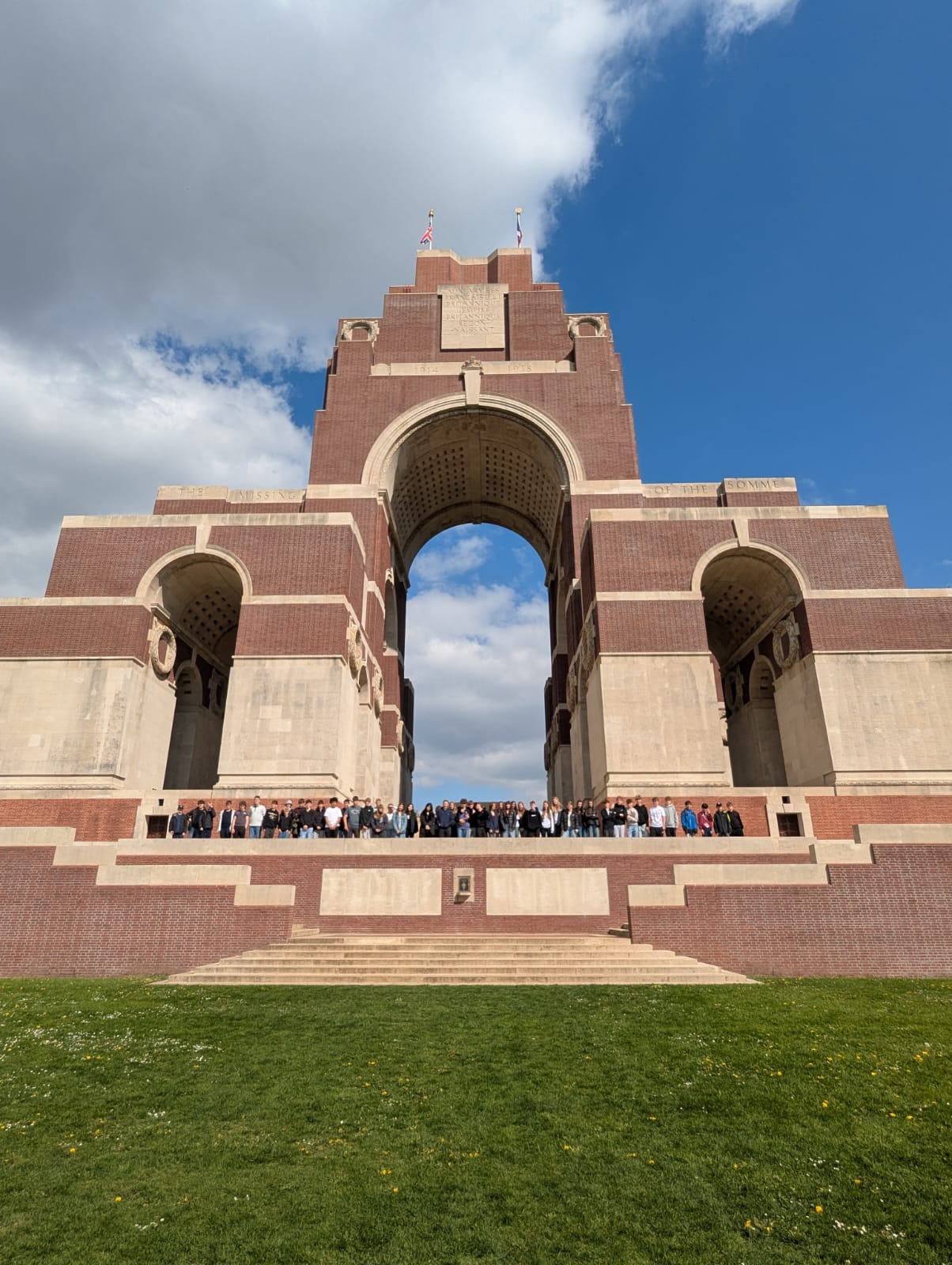
On the third day, the group travelled into France to visit key sites of the Somme campaign. At Carrière Wellington, students descended into the underground tunnels used by Allied troops in preparation for battle. The Canadian National Vimy Memorial highlighted Canada’s important contribution to the war effort, while the Thiepval Memorial to the Missing of the Somme demonstrated the scale of those who never returned and have no known grave. Visits to Beaumont-Hamel Newfoundland Memorial and Lochnagar Crater further illustrated the devastating impact of industrialised warfare.
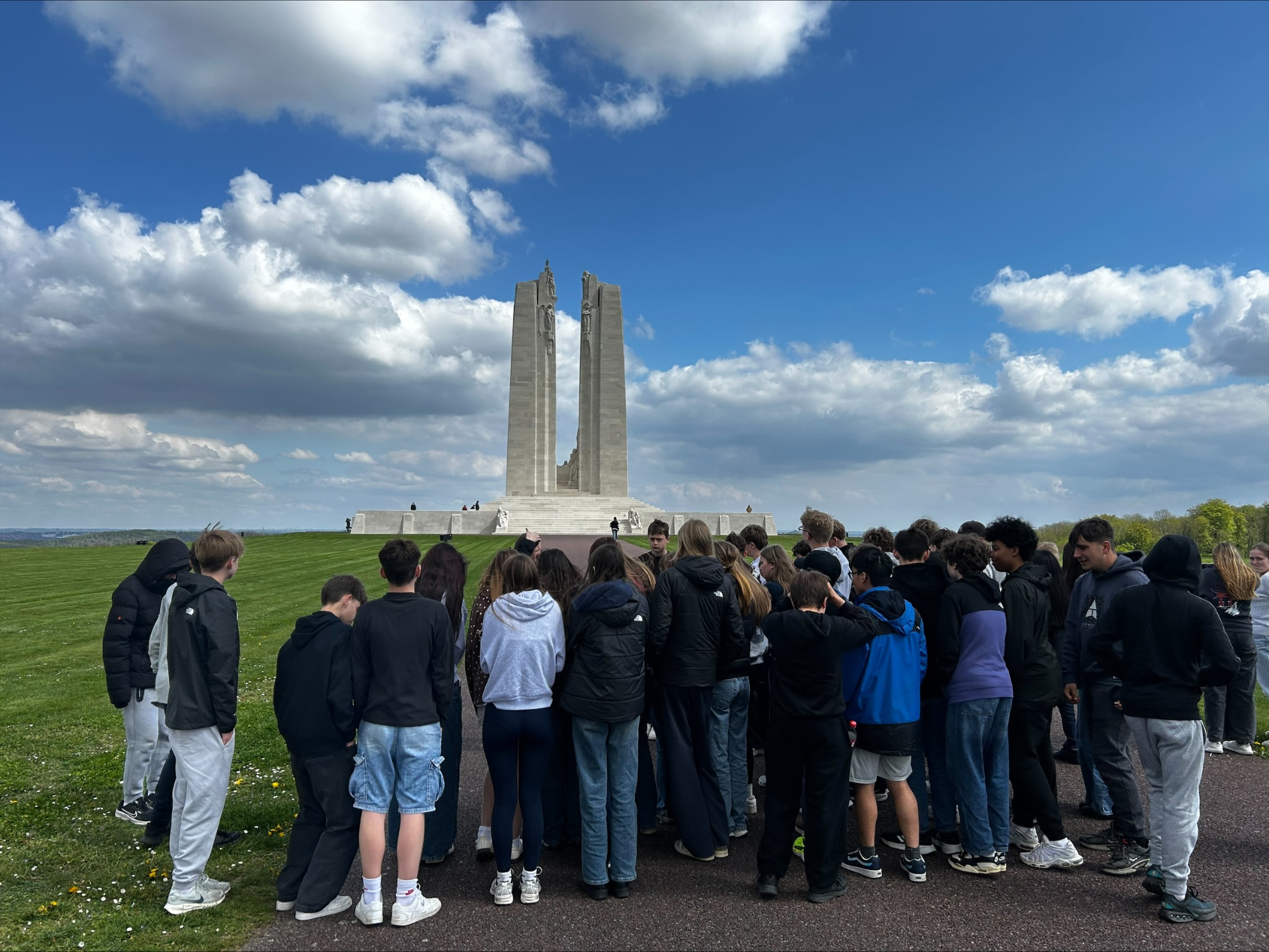
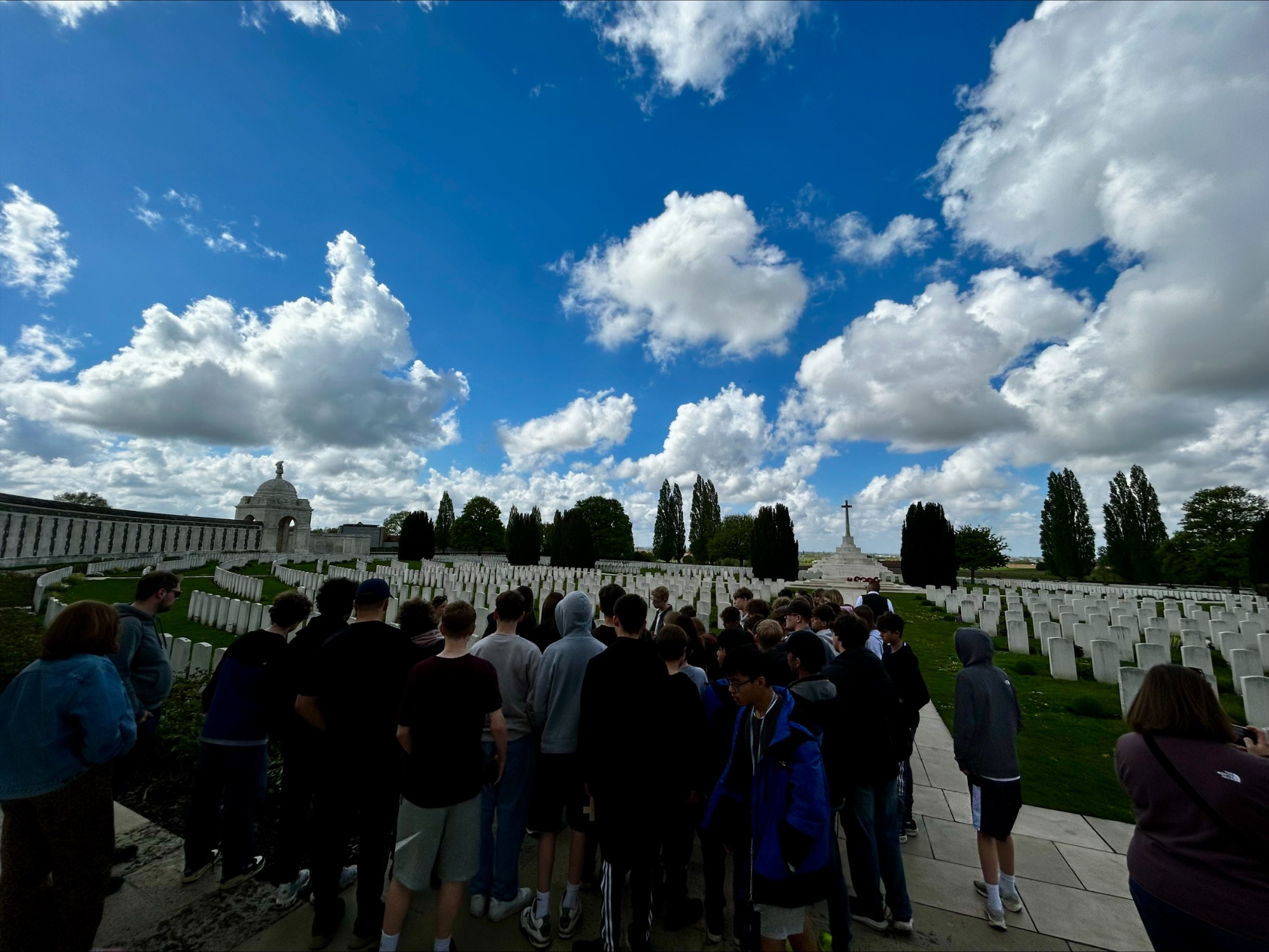
Max Stops, Teacher of History and Trip Co-ordinator said: “This visit gave students a real sense of the scale and human cost of the First World War. Their maturity, empathy and willingness to learn at every site was outstanding, and it was a privilege to see history come alive for them.”
Throughout the trip, students conducted themselves with maturity, respect and excellent engagement at every location. Standing in the places they had studied in lessons helped bring history to life in a powerful and lasting way.
One Year 9 student added: “It was an unforgettable experience. Seeing the cemeteries, memorials and trenches in person made everything we had learned in lessons feel real. It helped me understand how important it is to remember what happened.”
The visit concluded with a stop in Poperinge, a Belgian town used by British troops during the war for rest and recreation. It was also the site where 25 British soldiers were executed for desertion, many of whom are now understood to have been suffering from what would today be recognised as post-traumatic stress disorder.
Although the return journey was long and tiring, the trip was an incredibly valuable and memorable experience for all involved. It is one that students will carry with them as they continue their study of history.